

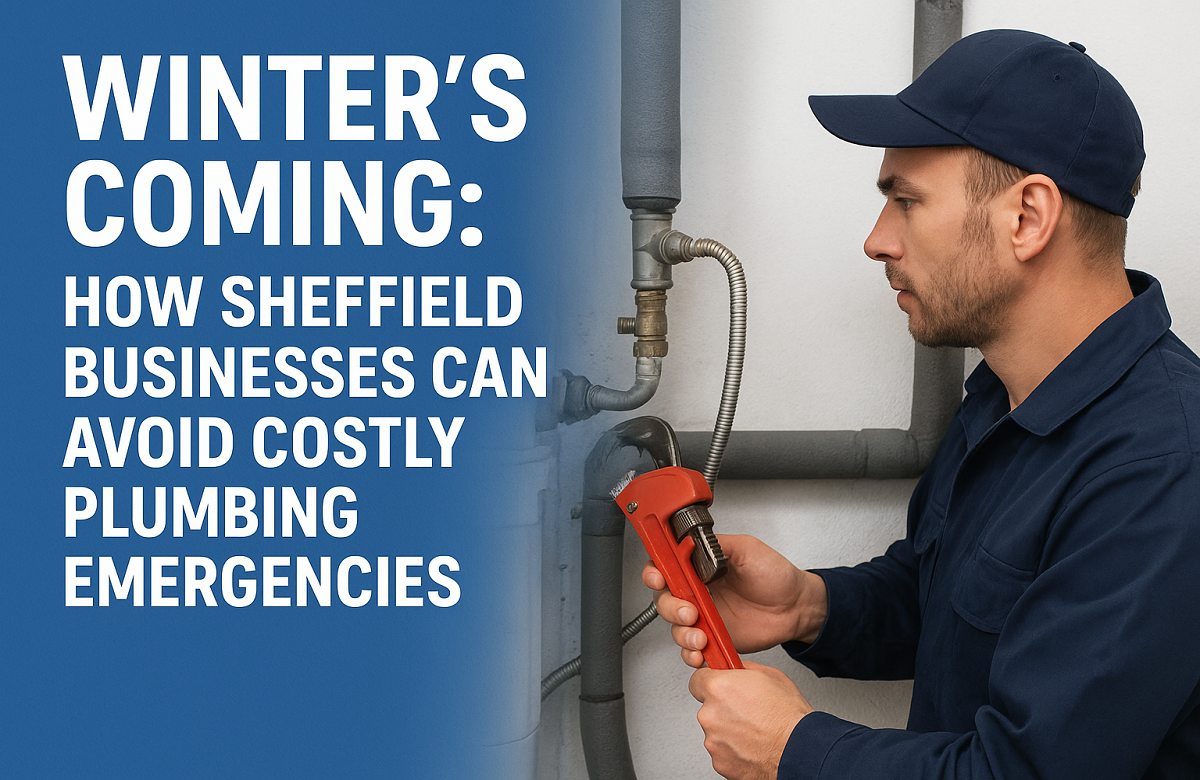
As the cold months approach, businesses in Sheffield face a heightened risk of plumbing issues. For commercial premises, a burst pipe or failed heating system isn’t just a nuisance it can bring your operations to a grinding halt, create costly damage and affect your reputation. That’s why working with an experienced team of commercial plumber Sheffield specialists—such as the team at Plumbing Network—is so important.
In this post I’ll share practical advice based on real industry experience, so you can proactively winter-proof your plumbing, spot weak points early and avoid emergencies that could cost you thousands.
Why winter is such a risk for commercial plumbing systems
When temperatures drop, several plumbing hazards become more likely:
- Frozen or burst pipes: Water expands when it freezes, and that can crack or burst a pipe. According to guidance from WaterSafe, exposed or uninsulated pipes are especially vulnerable when the heating is turned off or the space is unheated.
- Heating system failures: In a commercial setting the boiler or heating plant runs harder in winter. If it fails you might lose heat and hot water, putting staff, processes or customers at risk.
- Blocked drains/gutters: Cold weather may cause drains to freeze, and build-up of leaves or debris can block gutters—leading to overflow, leaks and structural damage.
- Condensation and insulation issues: Cold surfaces, pipes and walls cause condensation, which can corrode pipes or create damp, and if insulation is inadequate the problem worsens.
For a business in Sheffield—with its varied building age and weather patterns—preparedness is key. The team at Plumbing Network has local knowledge and sees the problems that develop when firms don’t act early.
Top Winter-Checklist for Sheffield Businesses
Here’s a focused checklist for commercial properties to help minimise risk and keep your plumbing running smoothly.
- Inspect and Insulate Vulnerable Pipes
- Identify pipes in unheated areas: basements, lofts, external walls, plant rooms.
- Fit foam pipe sleeves or lagging to exposed pipework.
- Seal gaps around where pipes pass through walls or floors to stop cold draughts.
- Service Your Heating and Water Systems
- Schedule an annual boiler/plant room service before the cold sets in. The Plumbing Network guide emphasises professional servicing.
- Bleed radiators, inspect valves for leaks and check water pressure – in a larger building these tasks matter even more.
- Ensure water-supply stop-cock(s) are clearly labelled and working.
- Check External Taps, Hoses & Drainage
- Drain down garden hoses, outdoor taps or any external service connections. Hoses left connected can freeze and cause internal damage.
- Clear gutters, down-pipes and drains of leaves and debris so water cannot accumulate and freeze.
- Make sure external plant rooms or service cupboards are kept frost-free.
- Maintain Minimum Internal Temperatures
- Even if parts of the building are unoccupied, keep the heating on a low constant level to prevent freezing in pipework. WaterSafe recommends a minimum around 14°C in such settings.
- Avoid turning the heating off in zones where pipework runs through unheated areas.
- Have an Emergency Protocol in Place
- Keep a list of trusted commercial plumbing contacts – for example Plumbing Network’s team are experienced in large premises and complicated pipe-runs.
- Ensure staff know how to shut off the main water supply and isolate heating plant.
- Keep basic kit ready: buckets, towels, shut-off keys, pipe-insulation sleeves.
- Consider installing water-leak sensors in high risk locations (plant rooms, unheated voids).
Why choosing the right commercial plumbing partner matters
When it comes to winter plumbing emergencies, the difference between a quick fix and a major incident often lies in the quality and preparedness of the contractor. Working with a specialist commercial plumber Sheffield team like Plumbing Network means you benefit from:
- Local experience in Sheffield’s weather, building stock and plumbing peculiarities.
- The right accreditation and insurance for larger commercial jobs (not just domestic call-outs).
- A proactive approach: advising seasonal checks rather than reacting when things go wrong.
- Transparent pricing and clear communication – helping you budget and plan rather than facing surprise costs.
Conclusion
Winter in Sheffield doesn’t have to mean panic over burst pipes, frozen systems and business disruption. By taking proactive steps—insulating vulnerable pipework, servicing heating systems, clearing drains, keeping minimum heat on and having a trusted partner such as Plumbing Network for commercial plumbing needs—you can avoid costly emergencies and keep your business running smoothly.
If you’d like to discuss how a specialist commercial plumber Sheffield team can review your premises, schedule a winter-check or set up an emergency plan, contact Plumbing Network today. Don’t wait until the freeze hits—preparation is your best protection.



Leave a Reply